
Why Termites Are a Major Problem in Victoria Homes

If you own a property in Victoria, understanding termite problems in Victoria homes is not optional—it’s essential. These silent destroyers can remain hidden for years while causing structural damage worth thousands of dollars before anyone notices. In many real estate cases, homeowners only discover the issue during renovations or a pest inspection, when the damage is already advanced.

Across Melbourne and regional Victoria, Termites Are a Major Problem because the climate, timber construction style, and soil conditions create an ideal environment for infestation. This guide explains why termites are so destructive, how to identify early warning signs, and why professional inspections are critical for protecting your home investment.

Understanding the Termite Threat in Victoria Homes

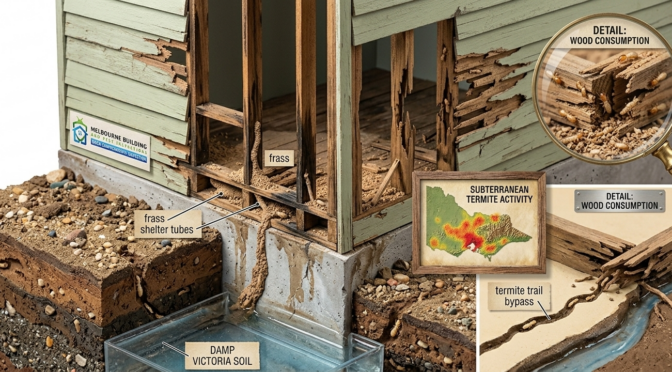
Termites are often misunderstood as minor pests, but in reality, they behave more like a structural threat than a household nuisance. In Victoria, subterranean termites are especially common, and they thrive in hidden environments where moisture and timber are present.

A serious termite infestation Australia situation can develop silently over months or even years. These insects consume cellulose found in timber structures, meaning they can weaken floors, walls, roof frames, and even load-bearing elements without visible surface damage until it becomes severe.

Many homeowners assume termites are only a rural issue, but urban areas like Melbourne experience significant cases due to landscaping, garden beds against walls, and older timber housing structures.

Why Termites Are a Major Problem in Victoria Homes

termite inspection and structural risk awareness

The reason Termites Are a Major Problem in Victoria is simple: most homes contain timber, and termites actively seek out moisture-rich environments. Once they find entry points, they establish colonies that grow rapidly and feed continuously.

What makes them particularly dangerous is their ability to remain undetected. Unlike visible pests, termites operate inside walls, subfloors, and roof cavities. By the time visible signs appear, the structural damage may already require extensive repairs.

This is why routine termite inspection is considered a critical part of property maintenance in Victoria, especially for homes older than 10–15 years.

Pest Inspection and Early Detection in Residential Properties

pest inspection and pest control inspection importance

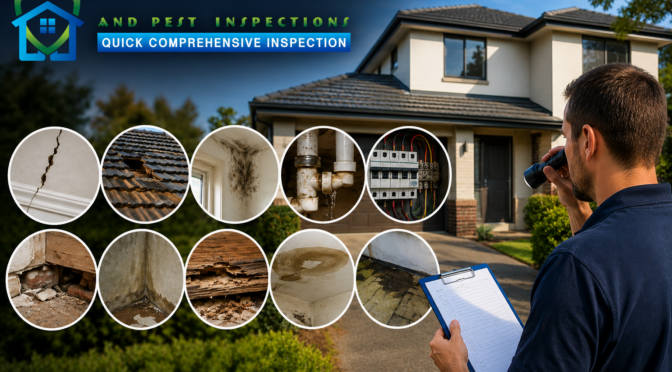
A professional pest inspection is the first line of defence against hidden termite activity. These inspections are designed to detect early warning signs such as mud tubes, hollow timber, and moisture anomalies that are invisible to untrained eyes.

During a pest control inspection, trained professionals assess both internal and external risk factors, including garden conditions, drainage systems, and timber contact with soil. In many cases, infestations are discovered in areas homeowners rarely check, such as subfloor spaces or roof voids.

Early detection is critical because termite damage escalates quickly once colonies mature. Regular inspections significantly reduce the risk of costly structural repairs.

Termite Infestation Australia: Why Victoria Is at High Risk

timber pest inspection Melbourne and environmental conditions

The broader issue of termite infestation Australia is especially relevant in Victoria due to environmental and housing factors. The combination of seasonal humidity, rainfall patterns, and timber-heavy construction increases vulnerability.

In cities like Melbourne, timber pest inspection Melbourne services are frequently required due to the number of older homes and renovations that expose untreated wood. Even modern homes are not immune, as landscaping choices and building design can unintentionally create termite entry points.

Soil moisture, garden beds placed against walls, and poor ventilation in subfloors all contribute to increased infestation risk across residential suburbs.

Pre Purchase Termite Inspection Victoria: Why Buyers Must Be Careful

termite check and property risk evaluation

One of the most important steps before buying a property is a pre purchase termite inspection Victoria. This inspection helps identify existing or previous termite activity that may not be visible during a standard building walkthrough.

A proper termite check can reveal:

  • Active infestations
  • Past termite damage
  • Structural weakening
  • High-risk conditions for future infestations

Buyers often overlook this step, only to discover later that repairs cost far more than expected. A detailed inspection report provides transparency and helps buyers make informed decisions before committing financially.

How Termite Damage Develops Over Time

Termite damage does not happen overnight. It progresses in stages, often starting with subtle internal feeding and gradually spreading through structural timber.

In early stages, homeowners may notice minor issues like squeaky floors or hollow-sounding wood. However, as colonies expand, damage becomes more severe, affecting walls, ceilings, and even roofing structures.

A professional termite damage report helps document the extent of destruction and provides a clear understanding of repair requirements. Without such reporting, damage often goes underestimated until major renovations begin.

Common Signs of Termite Problems in Victoria Homes

Recognising early warning signs is critical for preventing long-term damage. Some of the most common indicators include:

  • Hollow or soft timber when tapped
  • Mud tubes along walls or foundations
  • Discarded wings near windows or doors
  • Bubbling paint or uneven surfaces
  • Doors and windows becoming difficult to close

These signs often appear subtle at first but should never be ignored. In many cases, they indicate active termite colonies hidden within structural components.

Expert Insights: Why Termite Activity Is Often Missed

One of the biggest challenges with termites is their hidden behaviour. Unlike other pests, they avoid light and open air, which means they rarely expose themselves.

In real-world inspections, professionals often find extensive damage in homes where owners reported no visible signs. This is why relying solely on surface observation is risky. A licensed termite inspector uses specialised tools such as thermal imaging, moisture meters, and probing devices to detect hidden activity.

Without professional evaluation, infestations can go unnoticed until they become structurally critical.

Common Mistakes Homeowners Make

Many homeowners unintentionally increase their risk of termite infestation through simple oversights. One common mistake is ignoring moisture issues around the property. Leaking pipes, poor drainage, and damp subfloors create ideal conditions for termite colonies.

Another mistake is assuming new homes are safe. Even recently built properties can be vulnerable if landscaping or construction practices are not termite-resistant. Skipping regular inspections is another major issue, as early detection is the key to preventing major damage.

Practical Prevention Strategies for Victoria Homes

Preventing termite damage requires a combination of maintenance and awareness. Keeping soil away from timber structures, improving ventilation in subfloor areas, and repairing leaks promptly can significantly reduce risk.

Regular inspections remain the most effective strategy. A scheduled pest inspection ensures that any early activity is detected before it escalates. Combining preventive measures with professional monitoring provides the strongest defence against infestation.

The Role of Professional Termite Inspectors

A licensed termite inspector plays a crucial role in identifying, assessing, and documenting termite activity. Their expertise allows them to distinguish between old damage and active infestations, which is essential for accurate reporting.

These professionals also understand regional risks, particularly in Victoria, where soil conditions and climate patterns vary across suburbs. Their experience ensures that inspections are thorough and tailored to local conditions.

Why Termites Are a Major Problem for Property Value

Beyond structural damage, termites significantly affect property value. Homes with a history of infestation or unresolved damage often experience reduced market appeal.

Buyers are increasingly cautious, and inspection reports heavily influence purchasing decisions. This is why Termites Are a Major Problem not just structurally, but financially as well. Addressing issues early protects long-term investment value and avoids costly negotiations during property sales.

How Victoria Property Inspection Helps Homeowners Stay Protected

At Victoria Property Inspection, the focus is on identifying risks before they become expensive problems. A detailed inspection approach helps homeowners understand the true condition of their property, especially when it comes to hidden termite activity.

With professional expertise in structural assessment and pest detection, Victoria Property Inspection provides clarity for homeowners, buyers, and investors across Victoria.

Through thorough reporting and practical insights, Victoria Property Inspection ensures that property owners can make informed decisions with confidence.

For those concerned about long-term structural safety, Victoria Property Inspection offers dependable evaluation services designed to protect both homes and investments.

Conclusion:

Understanding termite problems in Victoria homes is essential for every property owner. These pests cause hidden but severe structural damage, making early detection and prevention critical.

Whether through routine inspections, a detailed termite inspection, or professional assessment, staying proactive is the best defence. Since Termites Are a Major Problem across Victoria, consistent monitoring and expert evaluation are key to protecting both safety and property value.

FAQs

1. Why are termites such a big problem in Victoria homes?

Termites thrive in Victoria due to moisture levels, timber construction, and soil conditions. Many infestations go unnoticed until significant structural damage occurs, making them a major risk for homeowners.

2. How often should I schedule a pest inspection in Victoria?

A pest inspection is typically recommended every 12 months. Homes in high-risk areas or older properties may require more frequent checks to prevent hidden termite activity.

3. What is included in a termite damage report?

A termite damage report includes findings on active infestations, past damage, structural risk areas, and recommendations for treatment or repairs based on inspection results.

4. Do I need a pre purchase termite inspection Victoria when buying a home?

Yes, a pre purchase termite inspection Victoria is essential. It helps identify hidden infestations or damage before purchase, protecting buyers from unexpected repair costs.

5. How can a licensed termite inspector help prevent damage?

A licensed termite inspector uses specialised tools and expertise to detect early signs of infestation. Their inspections help prevent severe structural damage through early intervention and accurate reporting.

10 Hidden Property Defects Buyers Often Miss

A house purchase ranks among life’s major money moves, still plenty overlook critical details while drawn to shiny countertops, wall tones, or front yard charm. Looks might impress at viewing time, however deep flaws often hide just out of sight. What you see up close could seem flawless, though real trouble sometimes waits behind walls. Understanding common building defects in homes can help buyers avoid expensive surprises after settlement.

Hidden issues often escape attention until they worsen. Behind couches or rugs, cracks may grow unseen. Moisture can linger within wall cavities, damaging structures slowly. Roofing flaws might go unobserved for months. Faulty wiring poses danger even when outlets appear normal. Most purchasers underestimate such possibilities. Experts such as Victoria Property Inspection offer clarity through careful evaluation. Their findings reveal what casual viewing misses entirely.

Why Hidden Defects Are Often Missed

Most open houses last just a short while. While walking through, buyers tend to focus more on how things look than on structural details. Staged rooms can shift attention away from flaws. Emotions during viewings sometimes cloud judgment. Over time, owners stop noticing problems around their own property.

Paint jobs sometimes hide flaws on purpose, masking deeper issues beneath a clean surface. What escapes the eye often needs specialized tools – not just a closer look – to uncover.

Inspectors who have worked many years know exactly which spots tend to fail first, also they spot early clues most purchasers miss. Hidden flaws often escape basic viewings, yet Victoria Property Inspection catches them routinely.

1. Hidden Structural Defects in Homes

Cracks and Foundation Movement

One of the most serious issues buyers encounter involves hidden structural defects in homes. Small cracks in walls or ceilings may appear harmless, but they can sometimes indicate movement within the foundation or structural framework.

Warning signs include:

  • Uneven floors
  • Doors that no longer close properly
  • Gaps around windows
  • Diagonal wall cracks
  • Sloping ceilings

Foundations in older houses often shift when soil moves beneath them. Drainage issues add pressure over time, worsening the problem. Aging materials weaken support gradually, making structures less stable.

Professional inspectors evaluate whether cracks are cosmetic or signs of larger structural concerns.

2. Water Damage in Walls

Moisture Problems That Stay Hidden

One of the most overlooked property issues is water damage in walls. Moisture can remain hidden for years before becoming visible.

Common causes include:

  • Roof leaks
  • Faulty plumbing
  • Poor waterproofing
  • Burst pipes
  • External drainage issues

Signs of concealed moisture include:

  • Bubbling paint
  • Musty smells
  • Soft plaster
  • Discoloured surfaces
  • Warped skirting boards

Moisture left unmonitored tends to trigger wood deterioration, encourage fungal development, while also raising maintenance costs. At Victoria Property Inspection, skilled evaluations detect damp issues early – stopping progression through precise analysis methods.

3. Roof Leak Warning Signs Buyers Ignore

Roofing Problems Can Be Expensive

Roofing issues are among the costliest defects homeowners face. Unfortunately, many buyers fail to check roofing conditions properly during inspections.

Common roof leak warning signs include:

  • Water stains on ceilings
  • Rusted flashing
  • Sagging gutters
  • Damaged roof tiles
  • Mould in roof cavities

A small drip can hide when skies stay clear. Yet once the rain hits hard, that quiet flaw turns into a real problem. What seemed harmless now spreads wider.

Professional inspectors examine roofing systems carefully because hidden leaks can eventually damage insulation, ceilings, electrical systems, and structural timber.

4. Mould and Damp Issues

Health Risks and Property Damage

Mould that sticks around usually points to hidden wetness or airflow shortcomings. Where people bathe or wash clothes, along with cooking zones and sleeping rooms without good air movement, tend to struggle most. Moist conditions sometimes appear under floor coverings or within attic areas too.

When mould grows, it doesn’t just ruin walls – it seeps into the air people breathe. Breathing that air often leads to coughing, wheezing, or tighter chests over time.

Signs buyers should watch for include:

  • Persistent musty smells
  • Peeling paint
  • Condensation buildup
  • Black spotting on ceilings or walls
  • Excessive humidity indoors

Victoria Property Inspection frequently identifies hidden damp conditions that buyers would otherwise overlook during standard inspections.

5. Faulty Plumbing Systems

Problems Hidden Behind Walls

Leaking pipes, poor drainage, and ageing plumbing systems can remain hidden until serious damage occurs.

Common warning signs include:

  • Slow drains
  • Water pressure problems
  • Rust-coloured water
  • Unusual pipe noises
  • Water stains beneath sinks

Older homes may contain corroded pipes or outdated plumbing materials requiring replacement.

A detailed property inspection checklist should always include plumbing assessments to identify costly future repairs.

6. Electrical Safety Concerns

Outdated Wiring and Unsafe Installations

Electrical defects are common in older properties and renovated homes with poor-quality workmanship.

Potential risks include:

  • Overloaded circuits
  • Faulty switchboards
  • Exposed wiring
  • Non-compliant installations
  • Missing safety switches

Electrical issues are not always immediately visible but can create significant safety hazards if ignored.

Experienced inspectors often identify signs that further electrical assessment is necessary before purchase.

7. Poor Drainage Around the Property

External Water Management Problems

Drainage problems can eventually affect the foundation, landscaping, and internal moisture levels of a property.

Common indicators include:

  • Pooling water near foundations
  • Soil erosion
  • Damp retaining walls
  • Cracked pathways
  • Overflowing gutters

Improper drainage may contribute to long-term structural movement and water intrusion.

Professional inspectors evaluate external water flow patterns as part of a comprehensive assessment process.

8. Pest and Termite Damage

Hidden Timber Destruction

Termites and timber pests often remain undetected until major structural damage occurs.

Common signs include:

  • Hollow-sounding timber
  • Sagging flooring
  • Mud tubes
  • Tight-fitting doors
  • Crumbling wood

Buyers sometimes assume visually clean homes are pest-free, but infestations often develop behind walls or beneath flooring.

Victoria Property Inspection understands how to identify subtle indicators of termite activity before serious damage becomes visible.

9. Poor Renovation Workmanship

Cosmetic Renovations Can Hide Problems

Freshly renovated properties may appear appealing but occasionally conceal shortcuts or non-compliant work.

Common concerns include:

  • Uneven flooring
  • Poor waterproofing
  • Incorrect tiling
  • Inadequate ventilation
  • Unapproved structural changes

Some sellers complete cosmetic upgrades to improve presentation while underlying defects remain unresolved.

Experienced inspectors can identify inconsistencies that suggest poor-quality renovation work.

10. Ventilation and Insulation Problems

Energy Efficiency and Comfort Issues

Insufficient insulation and poor airflow affect comfort, energy efficiency, and moisture control.

Homes with ventilation problems often experience:

  • Excessive condensation
  • Mould growth
  • Temperature inconsistency
  • Increased energy bills

Roof spaces, bathrooms, and subfloors commonly develop ventilation-related issues over time.

Beyond just a quick look, expert evaluations show how well a home handles everyday stresses from nature. These checks reveal what upkeep tasks are already piling up behind the scenes.

Home Buying Red Flags Buyers Should Never Ignore

Signs That Require Further Investigation

Many buyers overlook important home buying red flags because they feel pressured during competitive markets.

Always investigate:

  • Strong fresh paint odours masking moisture
  • Recently patched ceiling areas
  • Sloping floors
  • Persistent damp smells
  • Multiple repaired cracks
  • Poor drainage around foundations

Just because these signs show up does not mean big problems are hiding, yet getting an expert look makes sense prior to buying.

Why a Property Inspection Checklist Matters

Comprehensive Assessments Protect Buyers

A proper property inspection checklist ensures no critical area is overlooked during the buying process.

Professional inspections commonly assess:

  • Roofing systems
  • Foundations
  • Plumbing
  • Electrical systems
  • Moisture intrusion
  • Structural movement
  • Drainage
  • Ventilation
  • Safety hazards

Victoria Property Inspection provides detailed assessments that help buyers make informed decisions based on factual property conditions rather than appearances alone.

Practical Tips Before Buying a Property

Attend Inspections Carefully

Start by moving slowly through each room. Ceilings often hide what floors do not show. Look beneath floorboards where problems wait quietly. Outside, check how water moves away from walls. Small spots tell big stories when seen early.

Request Professional Reports

A fresh look by an expert gives clear details, so buyers can discuss price with more assurance.

Avoid Emotional Decisions

Emotional attachment often causes buyers to overlook warning signs.

Budget for Repairs

After you buy a house, surprises can pop up – no matter how carefully it was cared for. Little fixes might show themselves over time. Upgrades could become necessary even if everything seemed perfect at first glance.

Why Professional Property Inspections Matter

Hidden defects can turn an exciting property purchase into a stressful financial burden. Understanding common building defects in homes allows buyers to make smarter, more confident decisions before signing contracts.

Hidden issues like dampness inside walls or subtle clues of a leaking roof often escape untrained eyes. Spotting these takes skill. A thorough checkup lets buyers see what could go wrong later, put numbers to possible fixes, then decide with clearer sight once ownership begins.

Protect Your Investment Before You Buy

Hidden defects can lead to expensive repairs and unexpected stress after settlement. Victoria Property Inspection helps buyers make confident property decisions with detailed inspections and expert reporting. Before committing to a purchase, work with experienced professionals who know what to look for and how to identify issues that others often miss.

FAQs

1. Why are hidden property defects difficult to detect?

Many serious issues develop behind walls, ceilings, flooring, or roof spaces where buyers rarely inspect carefully.

2. Are structural cracks always a major problem?

Not always, but professional inspections determine whether cracks are cosmetic or signs of structural movement.

3. How important is a professional property inspection before buying?

Professional inspections help identify costly hidden defects, improving negotiation confidence and reducing future financial risks significantly.

4. Can mould problems affect property value?

Yes, ongoing mould and damp issues may reduce property value while creating health and maintenance concerns.

5. What areas do property inspectors usually examine?

Inspectors assess roofing, plumbing, structure, moisture, drainage, ventilation, safety hazards, and visible property conditions thoroughly.