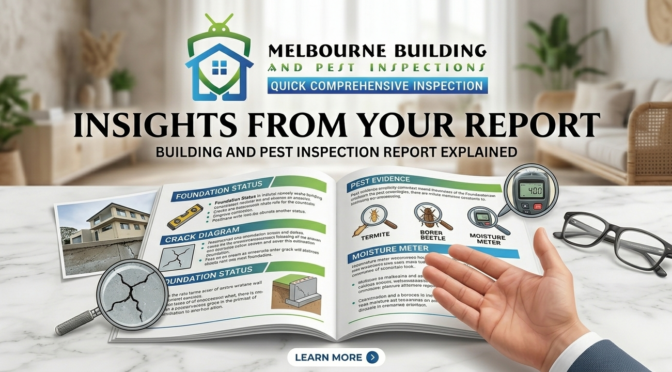
Buying your first home is exciting—but it’s also where small oversights can turn into expensive mistakes. One of the most misunderstood parts of the process is the building vs pest inspection, what they cover, why they matter, and how to actually read the report you receive. Surprisingly few newcomers take home inspections seriously. Truth is, skipping them can mean walking into problems that cost time and money later.
Truth be told, surprises pop up when people buy homes – Victoria Property Inspection sees it all the time. Had they known sooner, some problems might’ve been talked through – or skipped altogether. This breakdown puts building and pest checks into everyday words. You’ll grasp what each finding means without guessing. What follows helps point the way after reading your report.
Property Inspection — Why It’s Not Just a Checklist
A property inspection isn’t about finding perfection, it’s about identifying risks. Every property, even new builds, will have some level of defect. The key is understanding:
- Which issues are minor
- Which require immediate attention
- Which could become expensive in the future
This is especially important when reviewing a pest inspection report, where damage may not always be visible on the surface.
Building vs Pest Inspection — What’s the Real Difference?
This is where most confusion happens.
Building Inspection Covers:
- Structural integrity
- Roofing and gutters
- Walls, floors, and ceilings
- Moisture or water damage
- Safety hazards
Pest Inspection Covers:
- Termite activity or damage
- Conditions that attract pests
- Timber damage
- Risk areas around the property
A combined building and pest inspection in Knoxfield gives a complete picture of the property’s condition—both structurally and biologically.
Home Inspection Reports — How to Actually Read Them
What shows up in a report might seem like too much at first glance. Full of specifics, packed with jargon, it tends to lean heavy on the technical side.
Focus on These Key Sections:
1. Major Defects
Faults like these can shake how well things hold up. Safety takes a hit when basics break down.
2. Minor Defects
Minor flaws, the kind you spot but don’t stress over. Things that take little effort to adjust. Fixable without much trouble. Small stuff, really – nothing breaks a sweat here.
3. Safety Hazards
Immediate concerns that may require urgent attention.
4. Maintenance Issues
Things that slowly matter more as days pass – yet won’t break anything if left alone.
Most times, spotting problems isn’t the real challenge – Victoria Property Inspection sees that clearly. What weighs heavier is how serious those flaws are, plus what they’ll cost down the line. Buyers tend to fixate on counts, but the team knows better. It’s not about quantity; it’s about impact. A dozen small quirks matter less than one deep flaw. The dollar signs behind repairs tell a louder story. Past jobs guide their thinking: count fewer boxes, ask harder questions.
Understanding Building Inspection Cost in Melbourne
Cost is often a concern, but it should be viewed in context.
Typical Factors Affecting Cost:
- Property size
- Age of the home
- Location
- Complexity of inspection
The building inspection cost in Melbourne is relatively small compared to the potential cost of undiscovered issues. Skipping or rushing this step can lead to far higher expenses later.
Real-World Scenario — What a Report Can Reveal
A brand new homeowner signed papers on a house that seemed flawless at first glance.
However, the report revealed:
- Early signs of termite activity
- Moisture issues in the roof cavity
- Minor structural movement
With this information:
- The buyer renegotiated the purchase price
- Budgeted for repairs
- Avoided unexpected surprises
It happens more than you’d think – Victoria Property Inspection spot it all the time, clear reports shielding homebuyers without fuss.
Common Misconceptions About Inspection Reports
Surprisingly few buyers realise how often their expectations crumble once they see an actual home inspection. Instead of clear answers, they face uncertainty because common beliefs rarely match reality on the ground. Misreading small issues might make someone reject a solid house. On the flip side, overlooking red flags could trap them in costly surprises later. Clarity comes only when each finding is seen for what it truly signals – not fear, not perfection.
“No Issues Means a Perfect Property”
Every property has some defects.
“Minor Issues Can Be Ignored”
Small problems can escalate over time.
“Pest Inspections Only Matter for Older Homes”
Even newer homes can have termite risks.
“Reports Are Too Technical to Understand”
Only then do things start making sense. What matters sharpens when attention settles there.
Practical Tips for First-Time Buyers
If you’re reviewing a report for the first time, keep this in mind:
- Don’t panic—focus on major issues first
- Ask questions if something is unclear
- Use the report for negotiation
- Consider future repair costs
- Get professional advice when needed
These steps help you make informed decisions instead of emotional ones.
What Inspectors Look for Behind the Scenes
A trained eye spots more than meets the eye inside a house.
Key Areas Evaluated:
- Roof cavities and insulation
- Subfloor conditions
- Drainage and moisture levels
- Structural alignment
Hidden problems come to light fast because of how carefully it’s done.
Pest Inspection Report — What’s Often Overlooked
Skimming pest reports is common among buyers – yet hidden inside are details that matter. A quick glance misses what really counts.
Important Details:
- Evidence of past termite activity
- Conditions conducive to infestation
- Timber vulnerability
- Risk level assessment
Ignoring these details can lead to significant repair costs later.
Pro Tips from Real Inspection Projects
Every now then, a clear trend shows up through real-world checks. Those who dig into the details usually pick smarter paths down the road – simply because they see more than surface stuff. Outcomes often shift when knowledge leads instead of guesses.
- Always attend the inspection if possible
- Ask the inspector to explain major findings
- Don’t rely solely on photos—context matters
- Pay attention to recurring issues
- Plan for maintenance even after purchase
Little actions like these tend to build up, making you feel more sure when it comes time to buy. Confidence grows quietly, step by step, without needing big changes at once.
Why Location-Specific Inspections Matter
Different areas have different risks.
In places like Knoxfield:
- Soil conditions can affect structure
- Moisture levels may vary
- Pest activity can be location-specific
This is why a building and pest inspection in Knoxfield should always consider local factors, not just general property conditions. Professionals like Victoria Property Inspection tailor their assessments based on these regional differences.
The Bigger Picture — Inspections as a Decision Tool
A well-written inspection report can shape choices before anyone even steps onsite. It guides next moves without needing extra meetings or explanations.
It helps you:
- Understand the true condition of the property
- Estimate future costs
- Negotiate with confidence
- Avoid hidden risks
People making purchases tend to dodge surprises later when they actually read the reports. A habit of checking details changes how things turn out down the line.
Make Informed, Confident Decisions
Understanding the building vs pest inspection process gives you a clear advantage as a first-time buyer. Reports might seem heavy at first, yet they’re meant to steer choices, keeping your money safer. Victoria Property Inspection shows how clarity replaces doubt when navigating real estate steps. Not knowing details risks more than expected – understanding changes that balance fast. Hidden gaps in knowledge often lead to loss – sharp insight turns risk into control.
FAQs
1. Should I attend the inspection in person?
Yes. Being present helps you understand issues directly from the inspector.
2. How detailed is a pest inspection report?
It includes current activity, past damage, risk areas, and prevention advice.
3. Can I use the report to negotiate price?
Yes. Many buyers use inspection findings to renegotiate or request repairs.
4. What’s the most serious issue to watch for?
Structural defects and active termite damage are the biggest concerns.
5. Is inspection necessary for new homes?
Yes. Even new builds can have defects or incomplete work.