
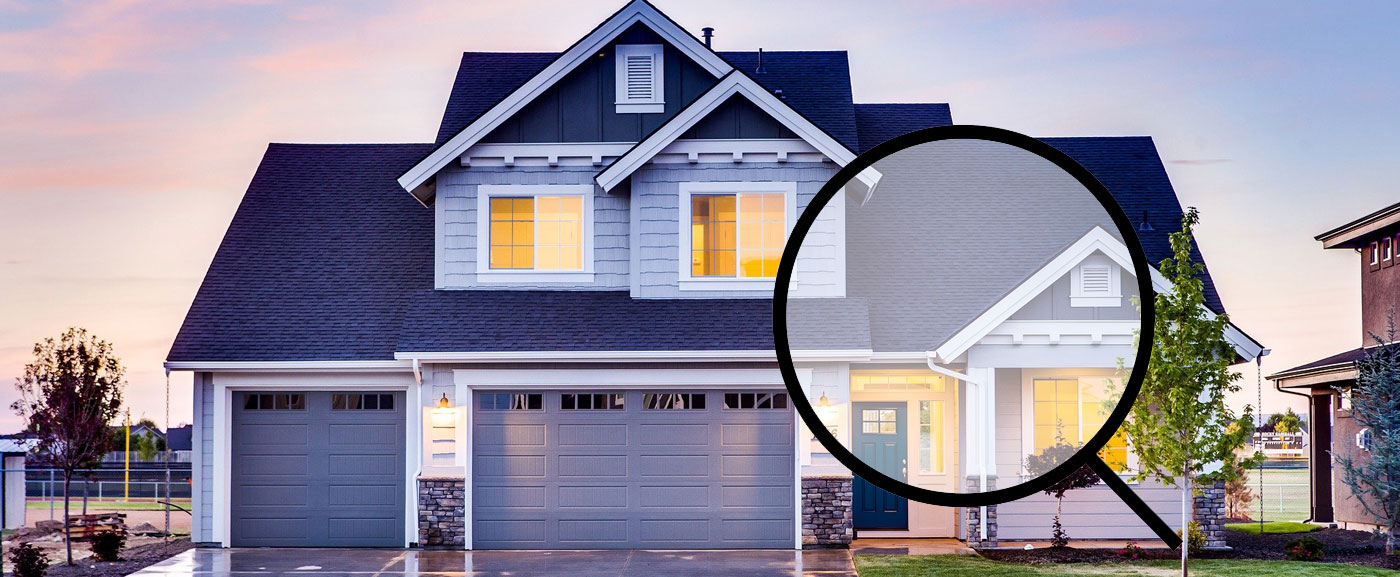
Acquiring a property is considered one of the largest financial investments that most people in Australia will undertake throughout their lives. Whether you are buying your first family home, moving into a larger one, or making an investment in the flourishing eastern suburbs of Melbourne, neglecting professional house inspection in Glen Waverley could become a costly oversight.
A lot of houses that look perfect during open days may actually have some hidden flaws. These include fresh painting, polished wooden floors, and well-tended gardens. But there are a number of issues with such homes that may require a significant amount of money for repairs.
This is the reason why a professional building inspection Glen Waverley, together with a thorough pest inspection, has become a usual procedure for knowledgeable buyers.
This guide will provide detailed information about a property inspection in Glen Waverley, what is checked during inspection, the importance of a property condition report, and how all this helps in making informed purchase decisions.
Every year, Australia sees a considerable amount of cost incurred for the upkeep of properties due to structural problems, moisture, and termite infestation. As per research carried out by the CSIRO, termites inflict damage worth more than $1.5 billion on Australian residential property every year, but most of this damage is usually uninsured.
Also, AHURI notes that housing stock in metropolitan Melbourne becomes increasingly difficult to maintain when it reaches the ages of 30 to 50 years. There are many houses in Glen Waverley that were built between the years 1960 and 1990. While these properties tend to be structurally sound, they could have old roofs, plumbing issues, poor wiring, moisture, and timbers that can be vulnerable to termites. Such problems can be discovered through an inspection.
The building and pest inspection is a combination of two inspections in one report. Building inspection checks the condition of the structure, while pest inspection looks for signs of termite infestation and timber damage. These two inspections together will help you, as a buyer, to know about the condition of the property objectively, before making your contract unconditional.
The pre-purchase building inspections in Australia should be done according to Australian Standard AS 4349.1.
The inspection begins outside the property.
| Inspection Item | What the Inspector Checks |
| Foundations | Cracking, settlement, movement, and moisture-related deterioration |
| Brickwork | Cracks, bulging, mortar failure, and signs of movement |
| Exterior walls | Damage, staining, gaps, and weather-related wear |
| Cladding | Loose panels, deterioration, and water entry points |
| Roof covering | Visible defects, missing materials, and general condition |
| Gutters and downpipes | Blockages, leaks, rust, and drainage performance |
| Drainage | Surface water flow, pooling, and runoff away from the home |
| Driveways | Cracking, lifting, and trip hazards |
| Paths | Surface damage, uneven sections, and safety concerns |
| Retaining walls | Movement, cracking, and structural stability |
| Fencing | Damage, leaning, and deterioration |
| Decks and balconies | Timber condition, movement, waterproofing, and safety |
Cracks, uneven settlement, deteriorated mortar joints, and drainage problems are carefully documented.
For example, a property may appear structurally perfect from the street, but poor site drainage can direct stormwater toward foundations, increasing the risk of movement over time
The roof protects every other part of the building.
| Roof Component | What the Inspector Checks |
| Roof tiles | Cracks, displacement, and missing tiles |
| Metal roofing | Rust, corrosion, loose sheets, and fastener issues |
| Ridge capping | Cracking, movement, and mortar deterioration |
| Flashings | Gaps, lifting, rust, and water entry points |
| Valleys | Blockages, corrosion, and signs of leakage |
| Chimneys | Structural condition, flashing, and weatherproofing |
| Roof penetrations | Seals around vents, pipes, and other openings |
| Gutters | Blockages, rust, overflow, and poor drainage |
| Signs of previous repairs | Quality, durability, and evidence of recurring issues |
Loose tiles, rusted flashings, or blocked gutters often indicate future maintenance costs.
Where safely accessible, roof spaces are also inspected.
Inside the home, inspectors evaluate every accessible room.
| Interior Area | What the Inspector Checks |
| Walls | Cracks, movement, staining, and damage |
| Ceilings | Sagging, water marks, cracking, and deterioration |
| Floors | Unevenness, bounce, wear, and moisture-related issues |
| Doors | Alignment, sticking, damage, and operation |
| Windows | Seals, operation, cracking, and water entry |
| Staircases | Stability, wear, and safety concerns |
| Built-in cabinetry | Damage, moisture, and structural condition |
| Moisture staining | Signs of leaks, dampness, or past water intrusion |
| Ventilation | Airflow, condensation, and moisture control |
Hairline plaster cracks are generally cosmetic, while larger diagonal cracks near doors and windows may suggest structural movement. Inspectors distinguish between normal ageing and defects requiring further investigation.
Many established Glen Waverley homes feature raised timber floors.
| Subfloor Element | What the Inspector Checks |
| Timber framing | Rot, movement, termite damage, and structural condition |
| Moisture levels | Dampness, pooling, and signs of excess humidity |
| Ventilation | Airflow and the risk of fungal growth |
| Drainage | Water movement away from the subfloor area |
| Evidence of termite activity | Mud tubes, damaged timber, and live termites |
| Timber decay | Fungal deterioration, rot, and weakening of structural members |
Poor ventilation beneath homes frequently contributes to fungal decay and timber deterioration.
The roof cavity often reveals problems invisible elsewhere.
| Roof Void Element | What the Inspector Checks |
| Roof framing | Sagging, cracking, movement, and timber condition |
| Water leaks | Staining, dampness, and active or past ingress |
| Insulation | Coverage, condition, and effectiveness |
| Ventilation | Air circulation and heat/moisture management |
| Previous structural repairs | Quality of workmanship and signs of recurring defects |
| Pest activity | Termites, borers, and other timber pests |
A slight roof leak can go unnoticed in interior areas of the house for months, while at the same time, it can cause considerable damage to wood.
Termites are among the most destructive pests in Australia. Unlike mice, there may already be damage caused by termites on wooden constructions before you realize it.
Pest Inspection Includes:
| Pest Inspection Check | What the Inspector Looks For |
| Active termites | Live termite activity and signs of current infestation |
| Previous termite damage | Old damage, repaired areas, and hidden timber loss |
| Timber decay | Softening, rot, and deterioration of structural timber |
| Borers | Evidence of wood-boring insects and exit holes |
| Wood rot | Fungal decay caused by moisture exposure |
| Conditions conducive to termite attack | Moisture, timber contact, and access points |
Inspectors also identify environmental risks such as:
| Environmental Risk | Why It Matters |
| Timber stored against walls | Creates hidden access and moisture retention |
| Excess soil contact | Allows termites to bridge into the structure |
| Poor drainage | Increases moisture and termite attraction |
| Garden beds against brickwork | Can conceal termite entry and retain dampness |
| Moisture accumulation | Encourages timber decay and pest activity |
These factors significantly increase termite risk.
After the inspection, buyers receive a detailed property condition report.
| Report Section | What It Includes |
| Overall property assessment | Summary of the home’s visible condition |
| Major structural defects | Significant issues requiring attention |
| Minor maintenance issues | Lower-priority repairs and upkeep items |
| Safety concerns | Hazards that may affect occupants or visitors |
| Photographs | Visual evidence of defects and affected areas |
| Recommendations | Suggested repairs or further inspections |
| Pest findings | Evidence of termites, timber pests, or conducive conditions |
| Risk assessments | Explanation of urgency and likely impact |
Instead of merely enumerating problems, knowledgeable inspectors assess the seriousness of each problem and recommend what should be done.For example: Instead of “Roof Leakage,” the inspection report will elaborate on the possible cause, amount of damage, urgency of fixing the problem, and whether the advice of an expert regarding the roof repair is necessary.”
A couple buying a four-bedroom house made of bricks in Glen Waverley had a pre-purchase inspection arranged because the house looked excellent.
The building inspection revealed the following issues:
| Finding | Details |
| Minor roof leaks | Water entry points that could worsen over time |
| Subfloor moisture | Damp conditions increasing the risk of timber decay |
| Early termite activity beneath a rear deck | Evidence of pest presence requiring urgent attention |
| Deteriorated drainage near foundations | A condition that could contribute to movement and moisture issues |
The estimate of the cost of repair was above $28,000. Based on the results of the inspection, the buyers managed to secure a discounted sale price. Without this inspection, the problems could have gone unnoticed for many months after the sale.
A local inspector familiar with Glen Waverley understands the suburb’s housing history.
Many homes built between the 1960s and 1980s share similar construction methods, materials, and maintenance challenges. Local experience helps inspectors recognise:
| Local Insight | Why It Helps |
| Typical slab movement patterns | Assists in identifying movement that is common to the area |
| Common roofing materials | Helps inspectors recognise age-related wear and likely defects |
| Local soil conditions | Provides context for settlement and drainage behaviour |
| Drainage characteristics | Improves assessment of water flow and moisture risk |
| High-risk termite zones | Supports more accurate pest risk identification |
This knowledge often leads to more accurate assessments than a generic inspection.
Inspection times vary depending on property size.
| Property Type | Typical Inspection Time |
| Small units | 1–1.5 hours |
| Standard homes | 2–3 hours |
| Large family homes | 3–4 hours |
Reports are generally delivered within 24 hours, allowing buyers to make informed decisions quickly.
A professional house inspection in Glen Waverley is perhaps one of the best investments that any buyer can make. Although there isn’t any property that does not have some defects, knowing how a property looks like before purchasing it will help buyers bargain effectively, plan accordingly for future expenses and even save themselves from many unpleasant surprises.
If you decide to arrange a building inspection in Glen Waverley, get a property condition report or even have a full property inspection done in Glen Waverley, choosing an experienced and unbiased inspector will give you the most reliable information and advice. Melbourne Building & Pest Inspection can be a suitable partner for you for home inspection.
1. What will be done during a building inspection in Glen Waverley?
Building inspection involves an inspection of the roof, foundations, walls, floors, ceilings, drainage system, roof void, subfloor (where possible), external structures, and structural defects.
2. Do I need a pest inspection when purchasing a home?
Yes. Pest inspections help to detect any termite activity, wood damage, deterioration, and environmental factors that lead to infestation prior to settlement.
3. How much would a house inspection cost in Glen Waverley?
It depends on property size and complexity but the cost will be around AUD $450-$800 for both building and pest inspection.
4. How long does a property inspection last?
Inspections generally take about 2-3 hours, and the report is normally available within 24 hours.
5. What is a property condition report?
It is a document describing the condition of the property structure and identifying defects, including photos and repair recommendations.