
For most Australians, buying property is a big deal. Despite this, many buyers spend too much time worrying about the location, price, and finance of the property without giving due consideration to an extremely important part of the purchasing process – the property inspection.
Whatever the type of inspection you might be scheduling – be it a building inspection, pest inspection, home inspection, or a combination property inspection- knowing how long the process will take can be very helpful when planning the purchase.
The quick answer would be that the average residential property inspection in Australia should last from 1.5 to 4 hours. That being said, there is far more involved in the inspection process than the actual visitation of the site.
This article will explain why the process may take as long as it does, how long does building inspection take, what exactly the inspector checks, and why spending more time on inspections can be very cost-effective.
The property market in Australia still involves many substantial financial investments. As per statistics from the Australian Bureau of Statistics, the average price of owner-occupied houses in several metropolitan areas is above $950,000.
If the buyer is going to make a hefty investment in a property, then investing some time in conducting an inspection will be quite worth it to uncover any hidden problems.
Even if a house looks fine during an open inspection, there could still be some hidden problems present behind the walls, beneath the floorboards, in the roof cavity, or under the subfloor spaces.
Some common defects uncovered during property inspections include:
The objective of professional property inspections is not only to find out any visible defects, but they also help discover hidden risks.
Buyers may think that the inspection process is over once the inspector has left the premises. Actually, there are several steps to be taken.
Usually: 1-3 days
After a buyer makes a request for a property inspection, the inspector finds an appropriate time for visiting the premises, contacting either the property owner, the selling agent, or the tenant.
Possible tasks include:
In many cases, especially in competitive Australian real estate markets, the inspectors are usually booked in advance by several days.
Usually: 1.5-4 hours
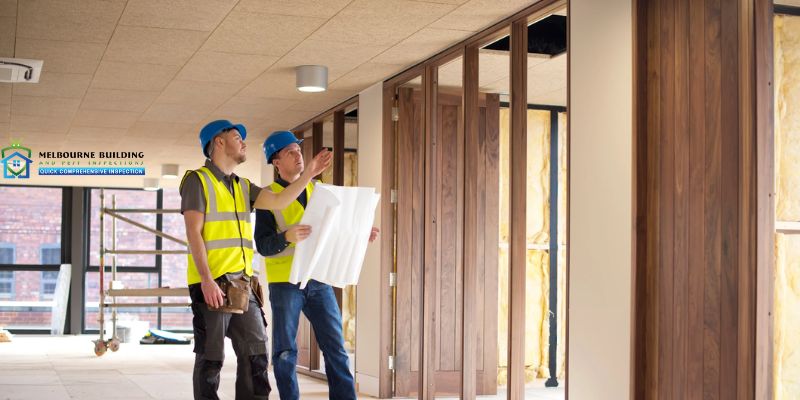
The site inspection is the most evident step in the property inspection process. In this step, inspectors systematically inspect the accessible parts of the premises.
Usually: 24-48 hours
After the home inspection, or site inspection, inspectors make up the report detailing their findings, pictures, risk assessments, and suggestions.
It typically takes a minimum of 2 and a maximum of 3 hours to complete a building inspection for an average Australian household. There are several factors that can impact the time taken during the building inspection process.
For instance, smaller apartments can take less than two hours to be inspected completely.
In comparison:
Three-bedroom suburban house: 2 – 3 hours
Family home: 3 – 4 hours
Acreage house: 4+ hours
The larger a property is, the more rooms there will be that require inspection along with many other components of the house.
Properties that are older can take more time for inspection since they might have some issues related to:
Inspection for these types of issues can take much more time than for a relatively new house.
Access can also affect the time required to inspect a building.
An inspector might need to inspect:
Limited access can increase the time needed.
A standalone pest inspection usually takes 1-2 hours. Climate conditions prevailing in Australia create a favorable environment for some pests.
According to experts’ estimates, each year in Australia, termites cause millions of dollars of damage.
While performing a pest inspection, inspectors check:
Termite infestation may not be easy to spot. That is why inspectors often use moisture detectors, sounding equipment, and thermal cameras to detect possible threats.
Buyers in Australia prefer getting a combined building inspection and pest inspection service.
Combined inspections usually take the following time:
Buyers do not need to organize several appointments to get their property inspected.
| Inspection Area | What the Inspector Checks | Potential Issues Identified |
| External Assessment | Foundations, brickwork, cladding, roofing, gutters, downpipes, drainage, paths and driveways, retaining walls | Structural movement, cracks, water damage, drainage problems, deteriorating building materials |
| Internal Assessment | Walls, ceilings, floors, doors, windows, ventilation, moisture indicators | Cracks, uneven floors, water intrusion, mould growth, poor ventilation, general wear and tear |
| Roof Space Inspection | Roof cavity structure, insulation, moisture levels, ventilation, evidence of pests | Water intrusion, structural movement, insulation defects, pest activity, roof leaks |
| Subfloor Inspection | Stumps, joists, moisture levels, ventilation, termite-prone areas | Timber decay, excessive moisture, poor ventilation, termite damage, structural concerns |
It does not mean anything bad that the inspection takes longer than others. Moreover, experienced inspectors usually dedicate more time to examining certain problem areas.
For example, a person buying a house in Brisbane discovers cracks around a few windows during the inspection.
An inspector is not likely to classify the found defects as merely cosmetic and will carry out more assessments.
As a result of further investigation, it appears that there was a historical movement of the foundation that requires specialized attention. That extra time may help the buyer avoid getting an expensive structural problem. Hastening an inspection may lead to overlooking important problems.
There are many technological tools used nowadays during property inspections.
Some of them include:
Using thermal imaging cameras can help discover such issues as:
Using moisture meters is useful in finding:
Using modern platforms for creating reports allows inspectors to:
There are certain findings that can necessitate further investigations.
They may include:
Where there are signs of infestation by termites, the inspector may spend more time looking into it.
Signs of movements may necessitate further investigation into:
Water damage may emanate from several sources. Inspection may take some extra time to determine whether water is active, historic, or seasonal.
Unlicensed alterations can sometimes lead to recommendations for further specialized inspection.
Whenever possible, yes.
It will give them a chance to:
Some inspectors offer a verbal summary on-site before sending out the report. This is especially important for first-time home buyers.
But how long does a property inspection take? In most cases, an inspection of an Australian house is expected to take from 2 to 4 hours in person, and the report is expected within 24-48 hours after that. So, now you know how long does building inspection take. Victoria Property is a
But time spent on the inspection is not really what should matter here. What really matters is the thoroughness of the inspection, the experience of the inspector, and his ability to detect any hidden threats to safety, maintenance expenses, and even the value of the property. Investing some additional time into the inspection process now may help you save a lot of money later. And the more you know about your property, the better your decision will be. The inspection process in Australia is hereby explained, and you can take consultation from Victoria Property.
Most property inspections take between 1.5 and 4 hours onsite, depending on the property’s size, age, condition, and accessibility.
A standard building inspection usually takes around 2 to 3 hours for an average Australian home.
A standalone pest inspection typically takes 1 to 2 hours, although larger or more complex properties may take longer.
Yes. Combined building and pest inspections are common and usually take between 2 and 5 hours depending on the property.
Most inspectors provide the report within 24 to 48 hours after the onsite inspection, although some offer same-day reporting.