Buying property is one of the most significant financial decisions we tend to make, and the number of first-time buyers may not be aware of how the market works, therefore there are a number of common misconceptions around what inspections are carried out and when. Whether you’re preparing to bid at an auction or purchasing through a private sale, knowing the difference between a pre auction inspection vs building inspection can help you avoid unexpected repair costs and make informed decisions.
In a competitive market, auctions can be a great way to buy property as they often provide more value for money than traditional buying. However, many auction inspections are rushed due to time constraints, as opposed to a building inspector’s report which is normally organised at an appropriate time once the buyer has secured ownership of the property.
Having conducted thousands of property inspections for home buyers in the state of Victoria, Victoria Property Inspection has assisted numerous clients in uncovering potential structural, moisture-related, safety, and other concerns in the property they are considering purchasing. In this post, we will outline in detail what each type of inspection entails as well as what reports you receive with it to help you determine which one best suits your needs.
Every property tells a story beyond fresh paint and stylish interiors. Cosmetic improvements can easily hide underlying issues such as structural movement, roof deterioration, water damage, termite activity, or poor workmanship from previous renovations.
A professional inspection helps buyers:
Whether purchasing at auction or through private sale, a professional property report provides valuable insight into the property’s overall health.
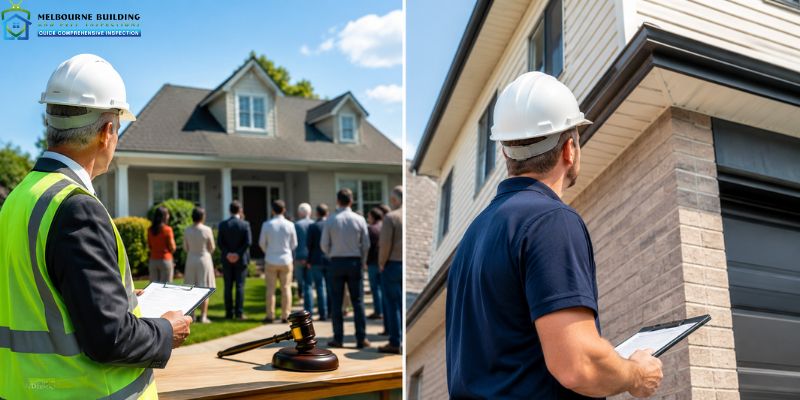
A pre-auction inspection is completed before the auction date, giving buyers time to review the property’s condition before placing a bid. Unlike private treaty sales, auction purchases are generally unconditional. Once the winning bid is accepted, buyers usually cannot withdraw because of defects discovered later.
This makes a pre auction report particularly valuable.
A typical pre-auction inspection assesses:
Victoria Property Inspection regularly performs pre-auction assessments designed to provide buyers with practical information before auction day.
A standard building inspection usually occurs after an offer has been accepted under a contract that includes a building inspection condition.
Unlike auction purchases, buyers may have the opportunity to:
The inspection itself is comprehensive and examines many of the same building components as a pre-auction inspection.
It typically includes:
The biggest difference isn’t necessarily what is inspected—it’s when the inspection occurs and how buyers can use the information.
When comparing pre auction inspection vs building inspection, timing is the biggest distinction.
| Pre-Auction Inspection | Standard Building Inspection |
| Completed before auction | Completed after offer acceptance |
| Helps buyers decide whether to bid | Helps buyers confirm purchase |
| Usually no opportunity to renegotiate after auction | Can support negotiation or contract withdrawal |
| Reduces auction risk | Supports informed purchasing decisions |
| Report available before auction day | Report prepared during contract period |
Choosing the right inspection depends entirely on how the property is being sold.
A pre-auction inspection is recommended when:
Experienced buyers rarely rely solely on open-home appearances.
Instead, they obtain a professional auction inspection to understand what may require attention after settlement.
Standard inspections are appropriate when:
The inspection findings can become an important negotiating tool if significant defects are identified.
Although buyers often compare pre auction inspection vs building inspection, both inspections share the same primary objective: providing an accurate assessment of the property’s condition.
Most professional inspections evaluate:
Both inspections conclude with a detailed building report outlining observations and recommended actions.
Years of practical inspections reveal recurring issues across residential properties.
Some of the most common include:
Water damage around bathrooms, laundries, balconies, roofs, and windows often indicates larger maintenance concerns.
Minor settlement may be expected, but wider cracks can require specialist assessment.
Broken tiles, damaged flashing, blocked gutters, and aging roof materials frequently appear in inspection reports.
Inadequate airflow contributes to condensation, mould growth, and timber deterioration.
Extensions and alterations sometimes fail to meet required building standards, potentially creating future compliance issues.
These findings reinforce why obtaining an inspection before purchasing is such an important step.
A professional inspection is only one part of smart property buying. Before auction day, experienced buyers also:
Following an auction property inspection guide alongside professional advice can help reduce uncertainty and improve purchasing confidence.
Many buyers become emotionally invested in a property and overlook warning signs. Some of the most frequent mistakes include:
Fresh paint, modern kitchens, and new flooring can disguise structural issues or poor workmanship.
A relatively small inspection fee can uncover defects that may cost thousands to repair after settlement.
Small cracks, drainage issues, or signs of moisture may indicate larger underlying problems that deserve further investigation.
Once an auction purchase is complete, buyers generally cannot negotiate repairs based on newly discovered defects.
Avoiding these mistakes can make a significant difference to both your budget and long-term satisfaction.
Not all inspection services deliver the same level of detail. When selecting an inspector, look for:
Victoria Property Inspection focuses on delivering detailed, easy-to-understand reports that help buyers make informed property decisions with confidence.
Purchasing a property is a major investment, and the right inspection can make all the difference. Whether you’re preparing for an auction or buying through a private sale, having a detailed assessment helps you understand the property’s true condition before making a commitment. Victoria Property Inspection provides comprehensive inspections and easy-to-understand reports that help buyers make informed decisions with confidence. Book your inspection today and gain the clarity you need to move forward with peace of mind.
A pre-auction inspection is completed before bidding, while a standard building inspection usually occurs after an offer is accepted under a conditional contract.
Yes. It can identify significant defects before auction day, helping buyers avoid costly surprises and make informed bidding decisions.
A pre auction report typically covers structural condition, roofing, moisture issues, visible defects, safety concerns, maintenance recommendations, and overall property condition.
Generally, no. Auction purchases are usually unconditional, so inspection findings should be reviewed before placing a bid.
Most residential inspections take between two and three hours, depending on the property’s size, age, condition, and accessibility.