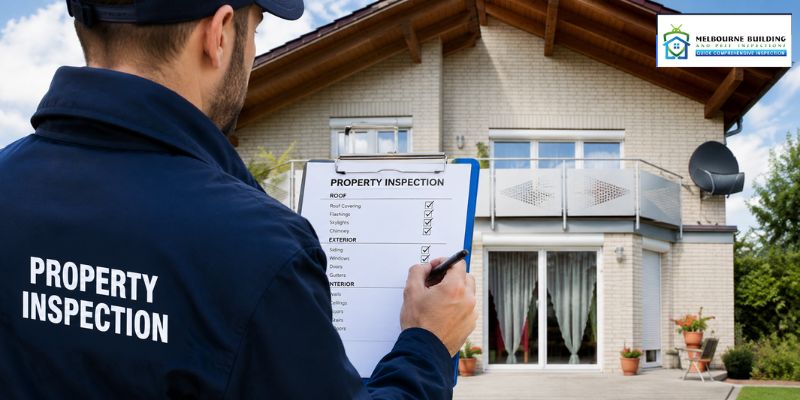
First-time house buying is always an exciting experience. However, it is also a significant investment. Though the house might appear to be excellent when viewed for the first time through an open inspection – with freshly painted walls, swept floors and modern kitchens – there may still be some underlying problems waiting to surface later on after you have moved into the house. If you have first home buyer inspection tips, things will be easier for you as a home buyer.
That is why it is important for every first-time home buyer to organize a building and pest inspection before signing any contracts. In this article, you will learn about a basic home inspection checklist in Australia as well as some valuable first home buyer property inspection tips.
The home is more than just its walls and roofs. The home is an investment. A professional property inspection will enable you to identify potential problems that may have escaped your notice while viewing the property. Such problems might include:
Here are some key areas every buyer needs to look into before buying any property.
It is the part that protects your whole house.
Look for:
Ignoring these things can make roof repairs very costly.
Not all cracks are bad. Some are natural due to the shifting of the structure. Others can be signs of a problem.
Look for:
This is where you need an expert to determine if any repair is required.
Water damage is one of the most common defects found in a home inspection. Check in the following places:
There could be signs like:
This issue can cause mold growth in the house.
Open and close every door and window. They should slide easily. If they don’t, then there could be a problem of shifting or foundation issues in the house.
Also check:
Electrical systems should always be inspected carefully.
Look for:
If anything appears unsafe, ask for further testing by a licensed electrician. Safety should always come first.
Turn on every tap. Flush every toilet. Check water pressure. Look under sinks for leaks.
Also inspect:
Small leaks today can become major repairs tomorrow.
Many buyers focus only on the building. That can be a costly mistake. A professional pest inspection looks for hidden termite activity and timber damage. One homeowner discovered termite damage only after moving into the property. The repairs cost far more than the original inspection would have. This is why experienced inspectors recommend completing both inspections together.
The foundation is the foundation of the entire house. Any problems with this element can be quite costly.
Look for:
There are some cracks that are natural and acceptable. The difference between normal settlement of the building and its destruction will be identified by an expert inspector.
It is important not to limit your inspection only to indoor parts of the house. Inspect the property.
This includes:
Fences
Bad garden drainage can cause water pooling around the house and damage to the foundation.
An atmosphere of comfort depends on adequate ventilation. Improper ventilation can lead to excessive moisture and mold.
Ask if there is:
Also, proper insulation is beneficial in terms of saving on utilities.
Buying your first home can feel overwhelming. These simple first home buyer inspection tips can help.
If possible, attend the inspection with the inspector. Ask questions. You will learn much more than you can from reading the report alone.
Do not focus only on major defects. Minor issues can also become expensive if ignored.
Very few homes are perfect. Plan for maintenance after settlement. Knowing this early helps you avoid financial surprises.
A beautiful kitchen or fresh paint should never replace a professional property inspection. Taking one extra day for an inspection can save years of repair costs.
The purchase of your first home should not cause any stress. An inspection of the building and pests provides useful information prior to committing yourself to purchasing what will most likely be one of the biggest investments of your life. It is better to spend a small amount on an inspection today than to face costly surprises tomorrow.
Arrange for an appropriate time to conduct the inspection before the contract goes unconditional.
The inspector conducts a full building inspection and a pest inspection. Each area of the property that can be accessed is thoroughly inspected.
A detailed report with photos is provided along with any explanation required for the findings.
Where necessary, this step explains the findings in the report.
The purchase of your first home is a significant financial undertaking. It is important that you receive straightforward and unbiased information prior to making a decision. Our home inspectors are diligent in ensuring all visible parts of the house are checked.
Our reports are:
Should you need any further clarification once you have received your report, then feel free to ask us so that you can get a clear understanding of the results. Our aim is to assist you in making an educated decision, not force you into a buying or not buying situation.
Most houses have minor problems. Some even have problems that are not noticeable at first. These are some examples.
There could be leaks behind walls or under the sink that you cannot see while visiting the open house. It is important to have a professional check it out for you.
Termites work their way around your house without being noticed. You need to do a good pest inspection before it causes any major problems.
Problems such as tiles coming off, damaged flashing, and clogged gutters can cause leaks later on. Fixing them sooner is much more cost-effective than waiting.
Water accumulation around your house could affect the foundation and gardens. Good drainage is important.
Buying conditions vary across Australia. Some areas are more likely to experience termite activity. Others face moisture problems due to climate. A professional home inspection checklist in Australia considers local conditions as well as the property’s overall condition. Whether you are buying in a city, regional town, or coastal area, a detailed inspection helps you understand exactly what you are purchasing. Quality and Care Building Inspections is a renowned and trusted company that offers affordable building inspection services.
Yes, because even new houses can have defects. An inspection will help you identify defects related to workmanship.
Pest inspections are conducted to find termites and timber pests which are difficult to discover through regular property inspection.
Inspections usually last from two to four hours depending on the size and state of the property.
Yes, because most inspectors would welcome your presence during the inspection process and you will be able to get answers to all of your questions.
It doesn’t mean that there is no use in purchasing this property because the inspection report will allow you to negotiate the price or decide not to buy this property.